
Decoration Methods FAQ
MSP DESIGN GROUP
How your logo gets onto a shirt, a tumbler or a leather portfolio changes how it looks, how long it lasts and what it costs. Here’s how each decoration method works, what it’s best for and when to choose it.
Choosing a method | All 17 methods | Apparel and textiles | Hard goods | Leather, paper and premium finishes
Choosing a decoration method
Common questions, answered in plain language.
- How do I choose the right decoration method?
- Start with four things: the product’s material, the number of colors in your art, your quantity and the look you want. The material narrows your options. Your art, quantity and budget decide the best fit from there. Your MSP Brand Expert weighs all four and recommends the method that makes your brand look its best on that product.
- What is the most durable decoration method?
- Methods that become part of the product last the longest. Laser engraving, engraving and etching, and embossing or debossing never wear off. On apparel, embroidery and screen printing hold up through years of washing, and sublimation won’t crack, peel or fade because the dye becomes part of the fabric.
- Which method is best for small quantities?
- Digital methods skip the screens, dies and plates that make small runs expensive. DTG, DTF, full-color digital printing, UV printing and vinyl transfers are all strong choices for small batches, one-offs and personalized pieces.
- Which method is best for large orders?
- Screen printing is the go-to for large apparel runs. Once the screens are made, the cost per piece drops as quantities go up. For hard goods like pens and keychains, pad printing is the high-volume standard.
- What if my design is full color or photographic?
- Choose a digital method. DTG and DTF handle full-color art on apparel. Sublimation gives photo-quality, all-over prints on polyester. Full-color digital and UV printing put detailed, multicolor images on hard goods.
- Which methods give the most premium look?
- Embroidery, laser engraving, embossing and debossing, foil stamping, and appliqué and chenille all read as high-end. They add texture, depth or shine that a flat print can’t match, which makes them ideal for client gifts, executive apparel and awards.
- What artwork do I need to provide?
- Vector files (AI, EPS, PDF or SVG) give the cleanest results for most methods. For full-color digital methods, a high-resolution image also works. Embroidery art is converted into a stitch file through a process called digitizing. Not sure what you have? Send what you’ve got, and our team will tell you if it’s ready for production.
- Will my logo work on every product?
- Not always as-is. Small text and fine lines can disappear in embroidery, and some methods are limited to one color or a set print area. Our designers adjust artwork for the decoration method and product so your logo stays sharp and on-brand.
- Which methods does MSP Design Group do in-house?
- Screen printing, embroidery, DTG and DTF are done at our Virginia Beach facility. Other methods are handled through our network of certified suppliers, all held to our quality standards. Look for the In-house label below.
All 17 decoration methods
Each entry covers what the method is, how it works, what it’s best for, and its strengths and limits.
What is your product made of?
Showing all 17 methods
Apparel and textiles
Shirts, hats, bags, uniforms and soft goods
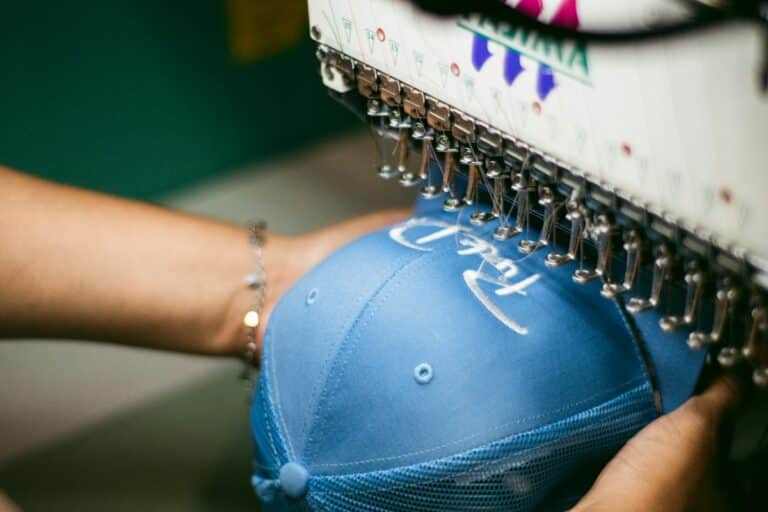
Embroidery
Embroidery stitches your design into fabric with thread, creating a textured, dimensional finish. Your art is first digitized into a stitch file, then a commercial embroidery machine stitches it with speed and precision.
Best for: Polos, jackets, hats, sweatshirts, backpacks, totes, duffels, towels and blankets.
Strengths
- Premium, professional look
- Holds up to repeated washing
- Works on a wide range of fabrics
Keep in mind
- Fabric and soft goods only
- Small text and fine detail are hard to reproduce
- Priced by stitch count, so large designs cost more
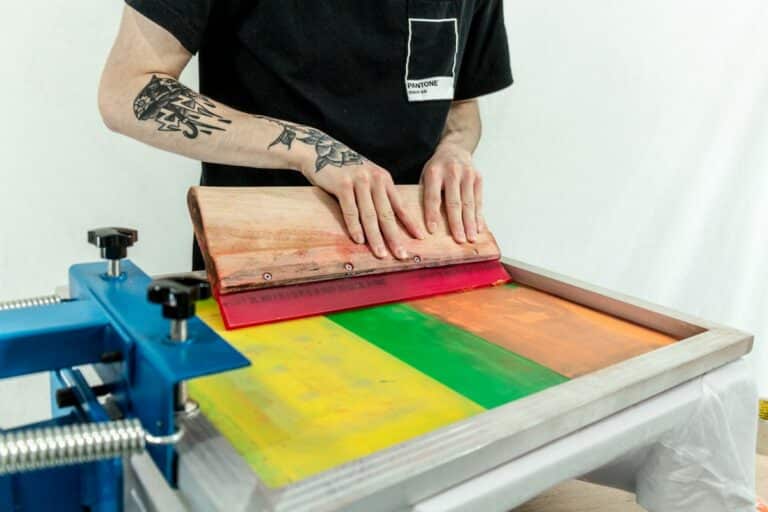
Screen Printing
Also called: Silkscreen
Screen printing pushes ink through a fine mesh screen onto the product with a squeegee. Each color gets its own screen, and the ink bonds with the material for bright, opaque color.
Best for: T-shirts, hoodies and large apparel runs, plus flat signs, posters and hard goods.
Strengths
- Durable through many washes
- Lowest cost per piece on large runs
- Vibrant, opaque colors
Keep in mind
- Each color adds a screen and setup
- Not ideal for photographic art
- Needs a flat surface that can take squeegee pressure
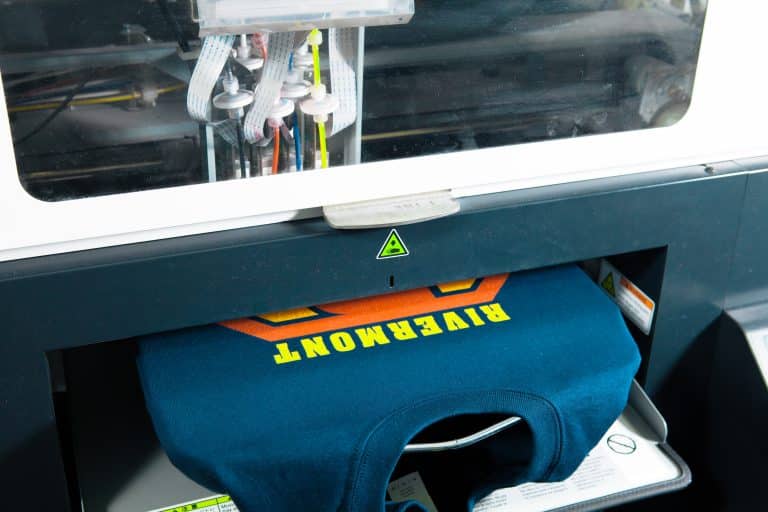
DTG
Also called: Direct-to-garment
DTG works like an inkjet printer for apparel. The garment is pretreated, printed with water-based ink, then heat-cured. The ink soaks into the fibers, so the print feels soft and breathable.
Best for: Full-color art on cotton and high-cotton tees and hoodies, small runs and one-offs.
Strengths
- Soft, breathable feel
- High-resolution, full-color detail
- Water-based inks
Keep in mind
- Best on 100% cotton, not polyester
- Dark garments need a white underbase
- Less durable than screen printing over time
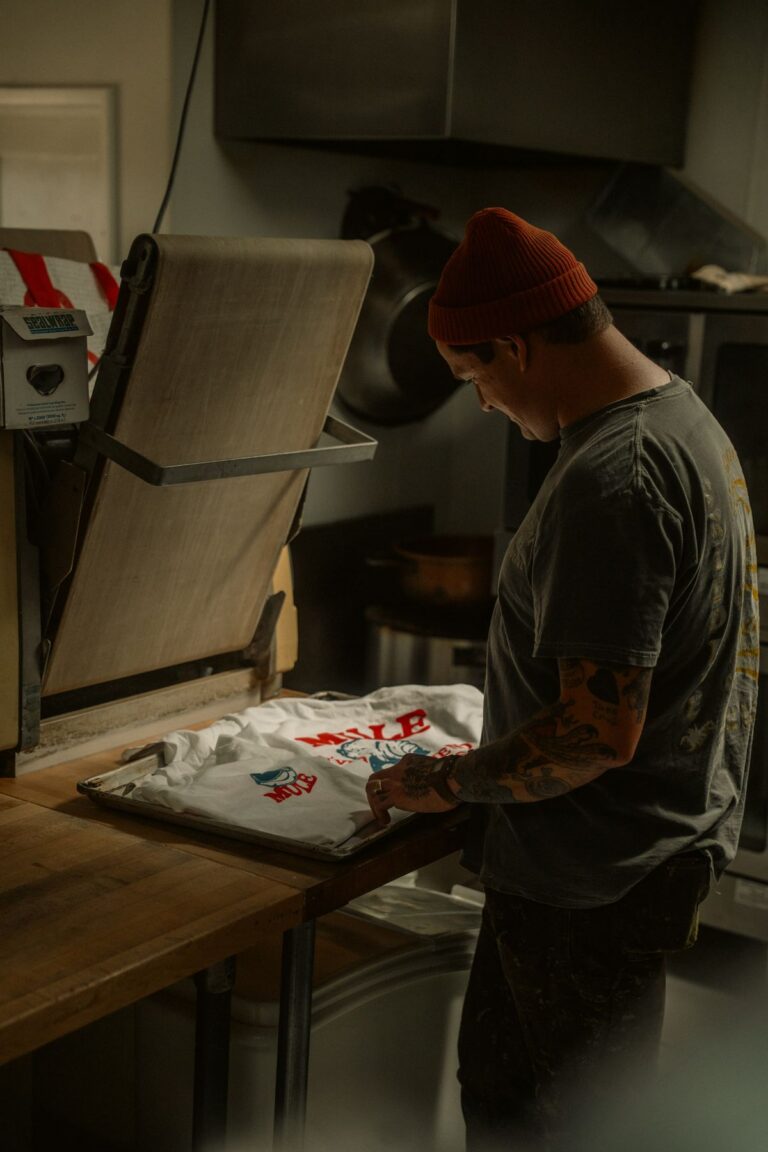
DTF
Also called: Direct-to-film
DTF prints your design onto a special film, then a heat press transfers it to the product. It gives vibrant, full-color prints with a soft feel on almost any fabric.
Best for: Full-color designs on cotton, polyester, blends, nylon and performance wear.
Strengths
- Works on a wide range of fabrics
- Full color with no screens
- Cost-effective for small and mid-size runs
Keep in mind
- Sits on top of the fabric rather than soaking in
- Large solid areas can feel heavier
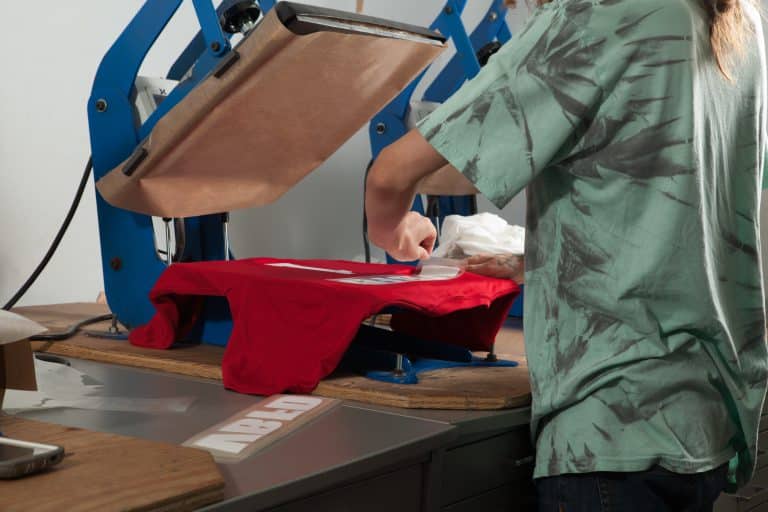
Heat Transfer
The design is printed onto transfer paper, then a heat press bonds it to the product with heat and pressure.
Best for: T-shirts, hats and coated hard goods like mugs and mousepads.
Strengths
- Works on many materials
- Cost-effective for small runs
- Handles full-color, detailed art
Keep in mind
- Can feel like a layer on the fabric
- Can crack, peel or fade with repeated washing
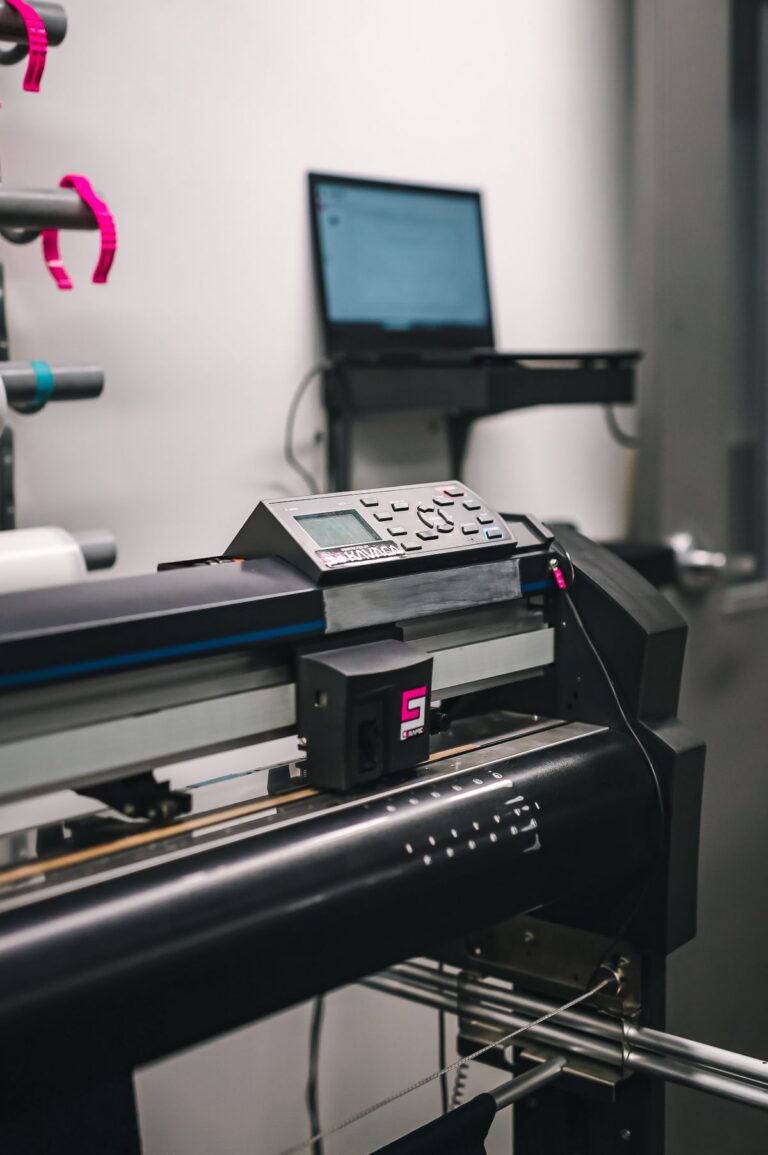
Vinyl Transfer
Also called: Heat transfer vinyl (HTV)
Your design is cut from colored vinyl, the excess is weeded away, and a heat press bonds the vinyl to the product.
Best for: Names and numbers on team jerseys, simple logos on tees, hoodies, hats, bags and can coolers.
Strengths
- Flexible and long-lasting
- Glitter, metallic and flock finishes
- Ideal for personalization and small runs
Keep in mind
- Best for simple designs with few colors
- Sits on top of the fabric
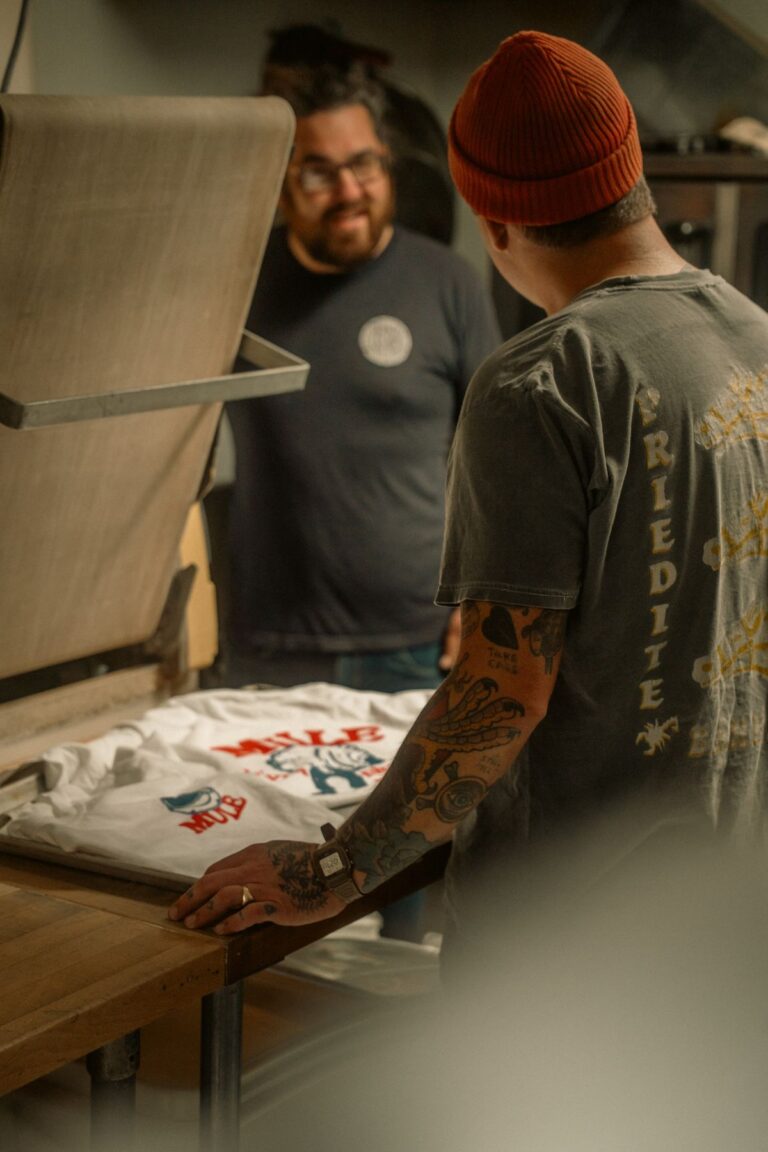
Screen Print Transfers
The design is screen printed onto release paper, then heat-pressed onto the product. You get the look of screen printing with the flexibility to apply it on demand.
Best for: Multicolor designs on apparel, especially when a design runs across different garments or repeat orders.
Strengths
- Screen print look and color
- Apply as needed across products
Keep in mind
- Still requires screen setup
- Sits on top of the fabric
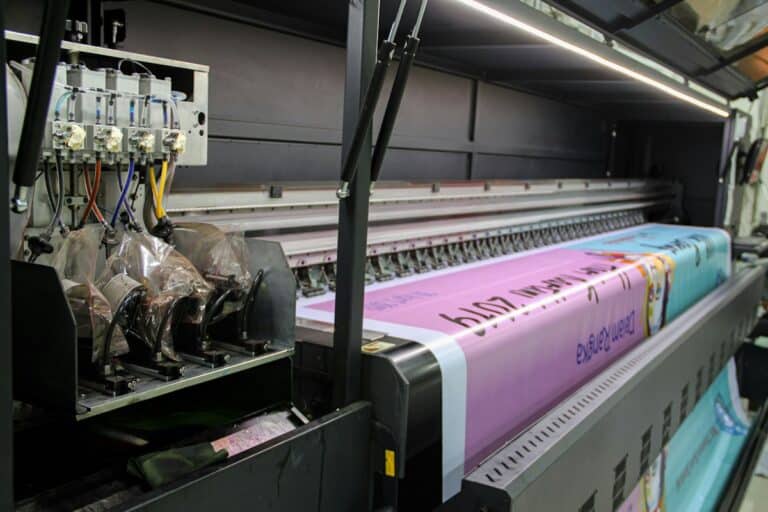
Sublimation
Also called: Dye sublimation
Your design is printed with sublimation ink onto transfer paper, then heat-pressed at around 400°F. The ink turns to gas and bonds with the material, becoming part of it.
Best for: All-over prints on polyester jerseys, tees and socks, plus coated mugs, coasters, phone cases, banners and flags.
Strengths
- Unlimited colors and photo quality
- Won’t crack, peel or fade
- No added texture or feel
Keep in mind
- Polyester or polymer-coated items only
- White or light-colored products only
- Seams and folds can show white creases
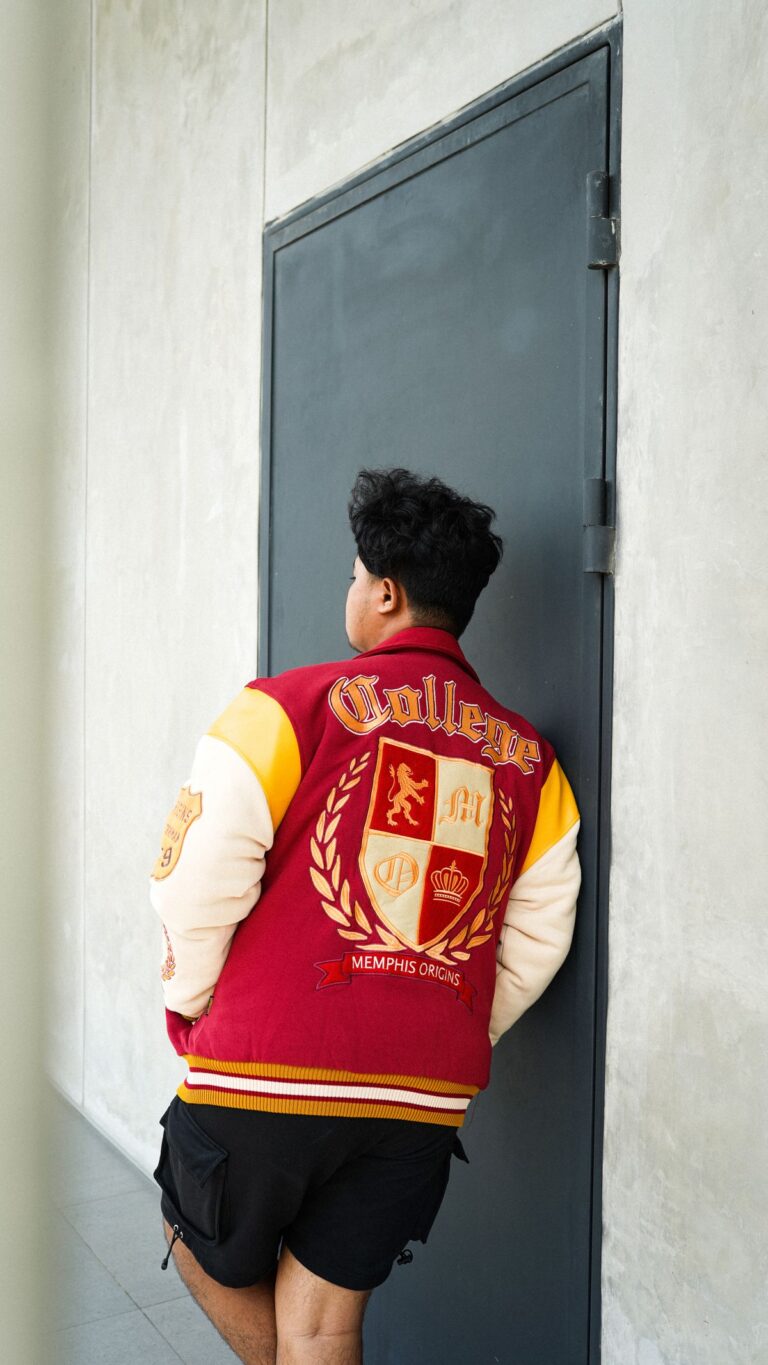
Appliqué and Chenille
Appliqué stitches cut fabric shapes onto a garment. Chenille uses looped yarn to create a soft, plush, raised texture, the classic letterman look.
Best for: Varsity jackets, sweatshirts, school and team patches, pillows and blankets.
Strengths
- Bold, dimensional, eye-catching
- Strong stitching lasts through washes
Keep in mind
- Higher material and labor cost
- Not for fine detail or small text
- Longer production time
Hard goods
Drinkware, pens, tech, awards and promotional items
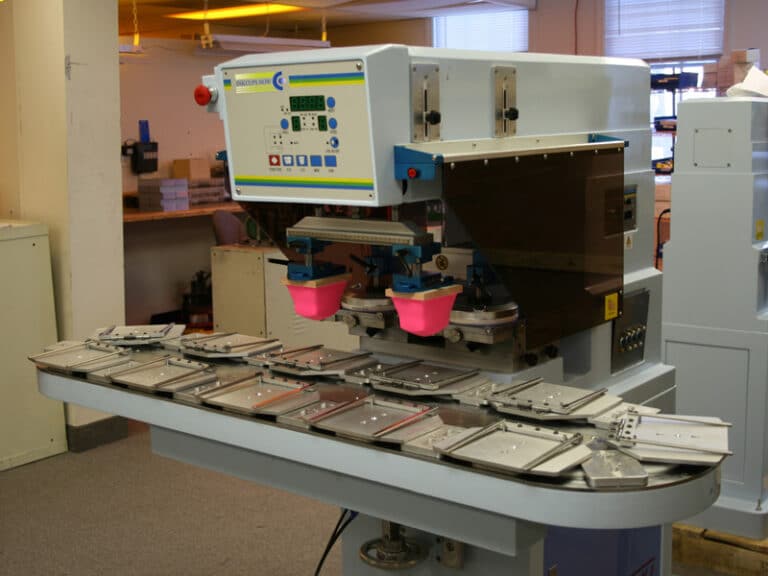
Pad Printing
An etched plate holds ink in the shape of your design. A flexible silicone pad picks up the ink and presses it onto the product, wrapping around curves and recesses.
Best for: Pens, stress balls, keychains and small, curved or uneven items.
Strengths
- Prints on curved and irregular surfaces
- Sharp lines and fine detail
- Works on many hard materials
Keep in mind
- Small imprint area
- One color per pass, so multicolor costs more
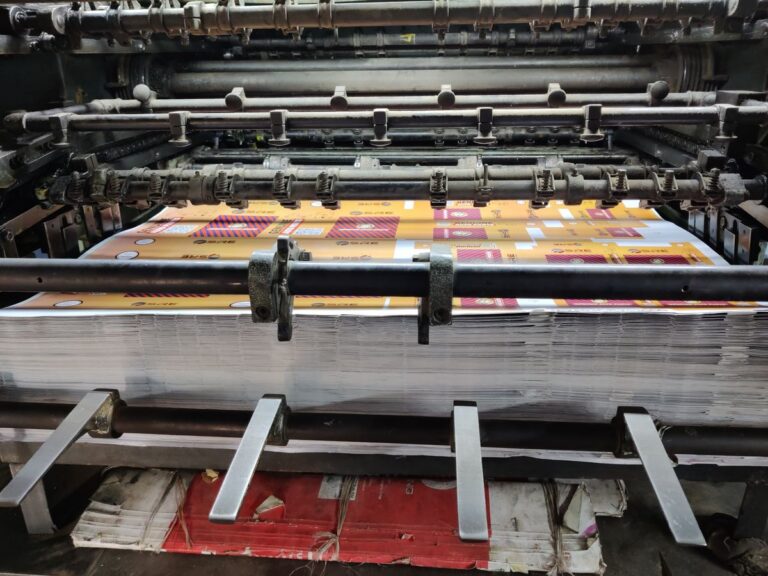
Full-Color Digital Printing
A specialized printer applies ink directly to the product, then cures it with UV light or heat. It reproduces photos and complex art with high fidelity.
Best for: Phone cases, totes and other items with flat print areas.
Strengths
- Photorealistic, multicolor prints
- No screens or dies to set up
- Fast turnaround
Keep in mind
- Higher cost per piece on large runs
- Can scratch or fade over time
- Needs a relatively flat surface
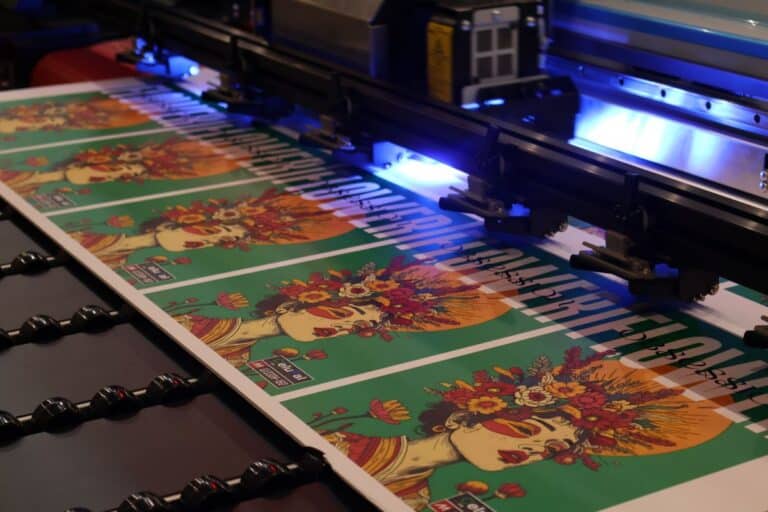
UV Printing
UV printing cures ink with ultraviolet light the instant it’s printed, so it bonds to hard surfaces that other inks can’t.
Best for: Full-color art on plastic, glass, metal, acrylic and wood items.
Strengths
- Prints on a wide range of hard materials
- Resists fading and scratching
- Full color with no setup
Keep in mind
- Best on flat or gently curved surfaces
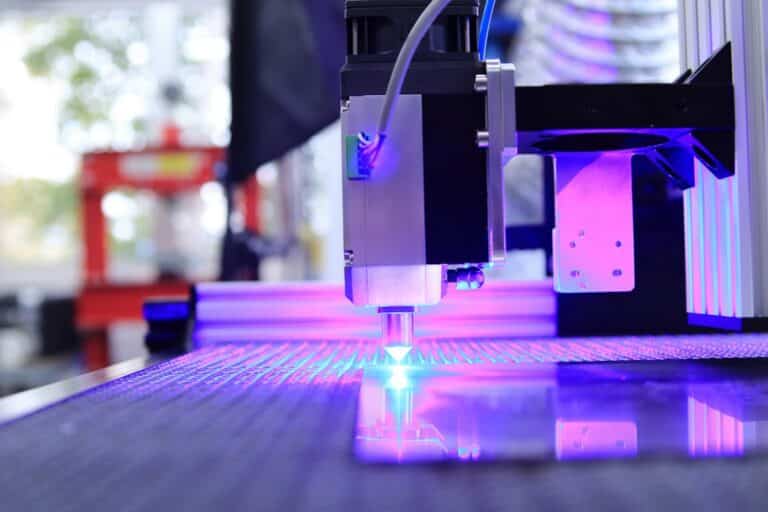
Laser Engraving
A computer-guided laser removes the surface of the material to create a permanent, precise mark. On coated drinkware it reveals the metal underneath for a clean, tonal look.
Best for: Tumblers, water bottles, metal pens, keychains, glass awards, wooden plaques, and tonal marks on leather and fleece.
Strengths
- Fine, precise detail
- Permanent, never wears off
- Premium, professional finish
Keep in mind
- The material sets the color of the mark
- Results vary by material
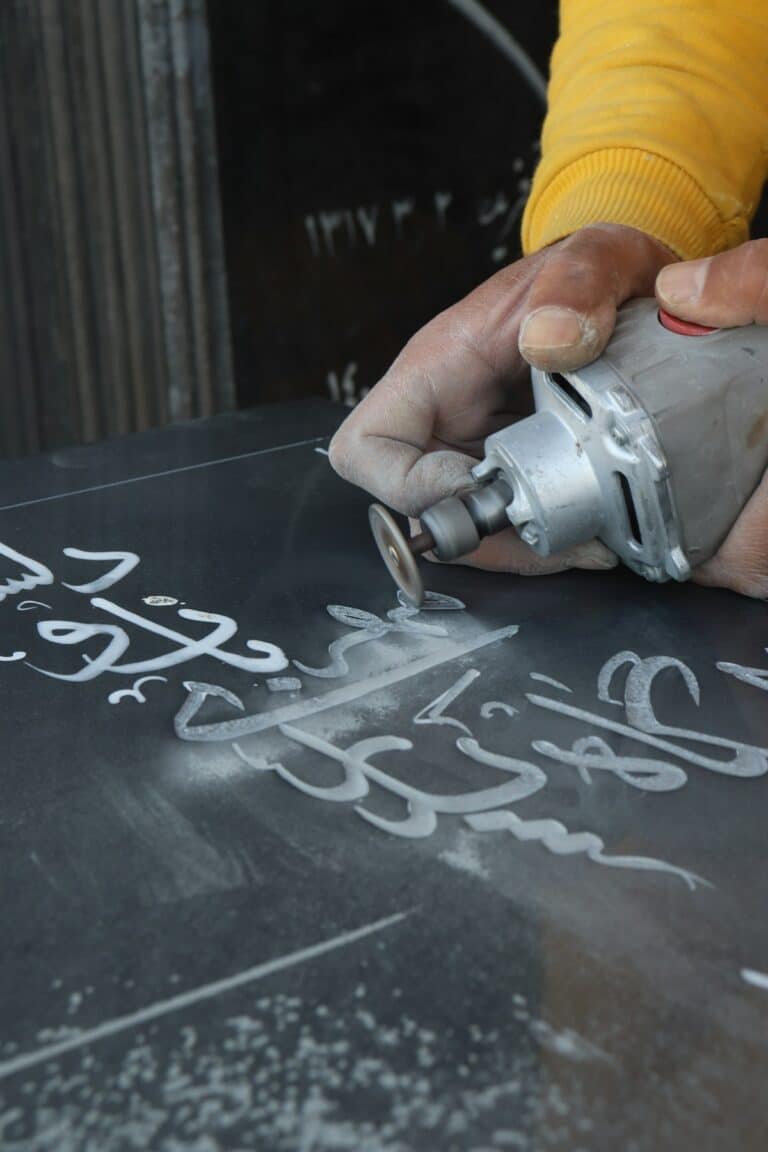
Engraving and Etching
Engraving cuts into the material with a rotary tool or laser. Etching removes a thin surface layer with chemicals or a laser. Both create a permanent mark.
Best for: Trophies, awards, glassware, plaques, nameplates and personalized gifts.
Strengths
- Permanent and durable
- High-end, premium feel
- Intricate detail
Keep in mind
- Higher equipment and labor cost
- Not every material can be engraved
- No added color
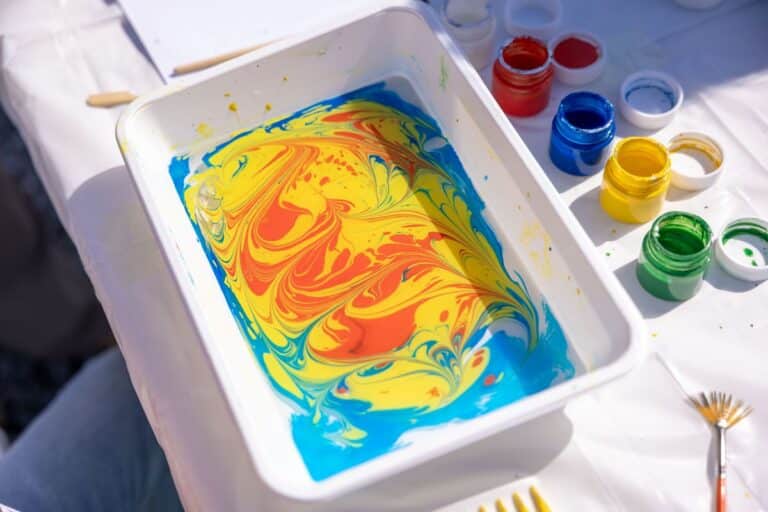
Water Transfer Printing
Also called: Hydrographics
A printed film floats on water, and an activator dissolves it, leaving the ink on the surface. The product is dipped through the ink, which wraps seamlessly around every curve.
Best for: Full-coverage patterns on items with complex shapes.
Strengths
- Seamless, all-over coverage
- Handles complex 3D shapes
Keep in mind
- Best for patterns, not precise logo placement
- Specialized process with longer lead times
Leather, paper and premium finishes
Portfolios, journals, stationery and packaging
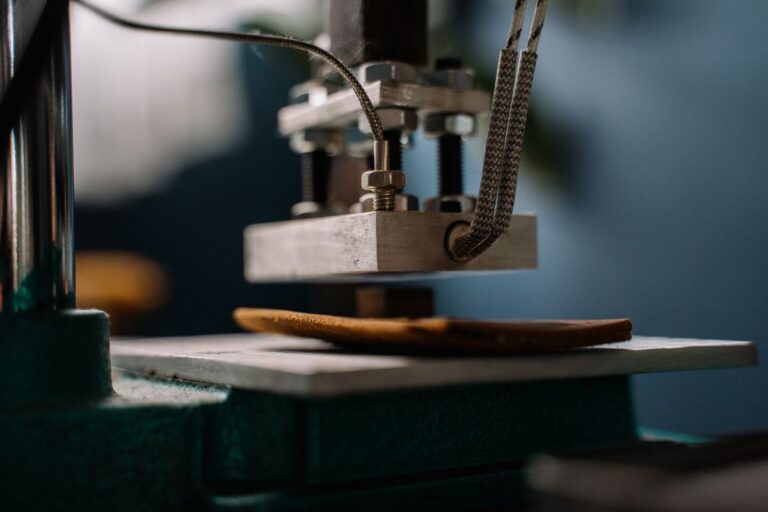
Embossing and Debossing
A custom metal die presses your design into the material. Embossing raises it. Debossing presses it in. Adding heat creates a sharper impression.
Best for: Leather portfolios, journals, padfolios, business cards, presentation folders, and subtle tonal logos on fleece.
Strengths
- Elegant, ink-free finish
- Tactile, three-dimensional feel
- Permanent
Keep in mind
- Requires a custom die and setup
- Fine lines and small text may not hold
- Best on flat, even surfaces
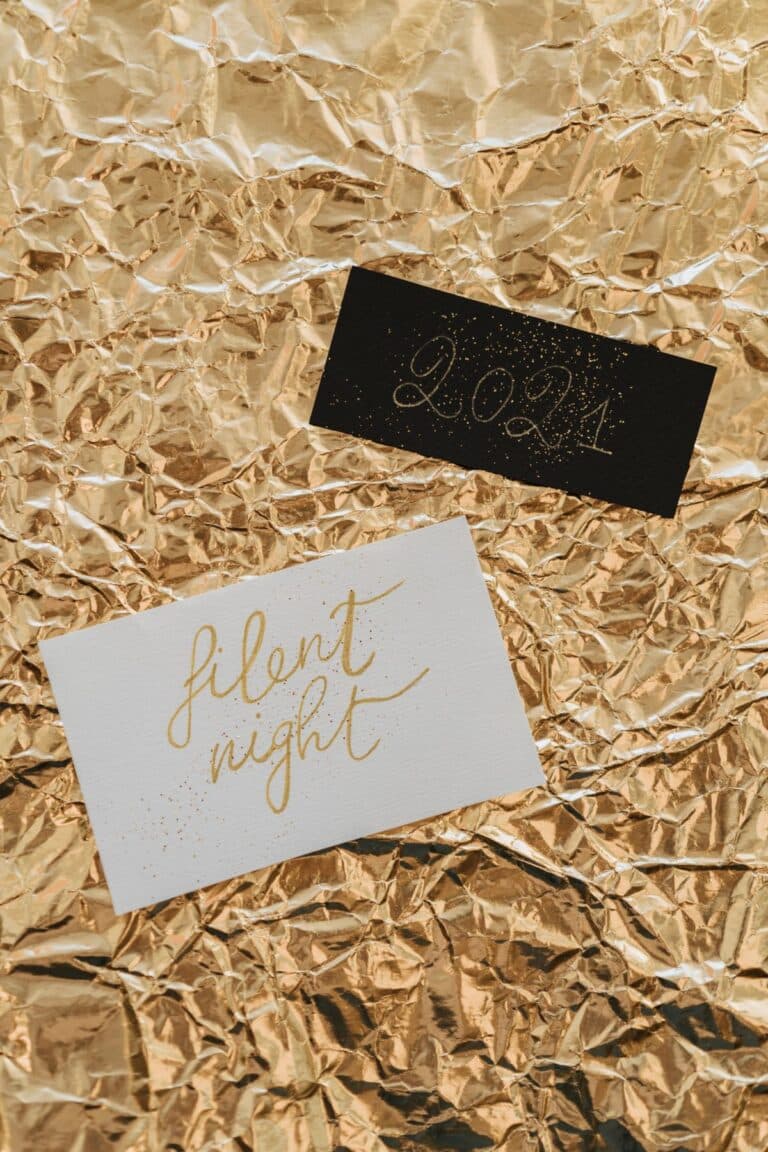
Foil Stamping
Also called: Hot stamping
A heated die presses metallic or pigmented foil onto the surface, leaving your design in the foil’s color and shine.
Best for: Business cards, invitations, packaging, wallets, portfolios, book covers and pens.
Strengths
- Luxury, high-end look
- Works on many materials
- Permanently bonded
Keep in mind
- Limited to available foil colors
- Not for fine detail
- Die and foil costs add up
